Digital Democracy was commissioned and delivered a Social Media Capability Assessment report and a comprehensive Social Media Strategy to the Medical Council of NSW. The Medical Council of NSW protect the public by managing complaints about medical practitioners in NSW. They are one of 15 NSW Councils that focus on individual health professions. The work included comprehensive stakeholder interviews and an audit of current activities. An internal and external landscape review was also … [Read more...]
The Gut Health Dietitian – Digital Strategy
The Gut Health Dietitian came to Digital Democracy for their 2019 launch. Digital Democracy delivered a comprehensive digital marketing strategy to The Gut Health Dietitian. The strategy included recommendations on website design, social media channels, SEO, content creation, inbound marketing elements and measurement. The strategy was being executed in house and the document contained best practice training guides. Health and wellness is a passion for the digital agency … [Read more...]
How health professionals can regain trust on social media

Author: Sym Yeow A recent article published by Health Care Social Media, poses the question "Do online health seekers trust social media?". However, it is important to dive a little deeper to try to understand why healthcare information seekers don't trust social media, and the ways health care professionals can overcome this obstacle to rebuild their reputation amongst their readers. The main reasons for concern about the information produced in the health industry are: Some … [Read more...]
Medical PR – Doctors and Social Media

This article was published in the Medical Journal of Australia August 2012. Social networking has found its niche when it comes to professional collaboration, but should you draw the line at interacting with patients? If you listen to most of the commentary on these interactive platforms, you’d think so. The potential pitfalls most often cited include the blurring of professional boundaries and patient privacy issues. It makes sense to keep your private life and professional life separate … [Read more...]
TGA Advertising Code – Are Australian Marketers ready for the changes?

This week I attended a fascinating seminar developed by the Medical Technology Association of Australia that discussed changes to the Therapeutic Goods Administration (TGA) Advertising code. (The date for the implementation is January 2019). The changes will have significant impacts for any marketers that work in the medical devices/healthcare sector. Notable is: TGA stated that ads that cite scientific or clinical literature must identify the researcher and financial sponsor of the … [Read more...]
Autism Awareness Australia
In September 2018 Digital Democracy was contracted to help Autism Awareness Australia (AAA) build further online brand awareness via their social media channels with the express purpose of expanding their current email database. The AAA e-newsletter is a vital communication tool for the non-profit. The e-newsletters imparts valuable information to carers, friends and families and those with autism and helps build the community. The digital project entailed comprehensive Facebook … [Read more...]
Healthcare Digital Marketing Strategy – Unichi

Healthcare digital marketing is in our DNA and in April 2018, Digital Democracy delivered a healthcare digital marketing strategy to Unichi a premium Australian wellness brand. Healthcare Digital Marketing Strategy The health-focused digital strategy included: an audit of their existing online and social media platforms, competitor environment analysis content genre recommendation PPC/SEO recommendations online advertising recommendations channel strategy influencer … [Read more...]
Social Media Management
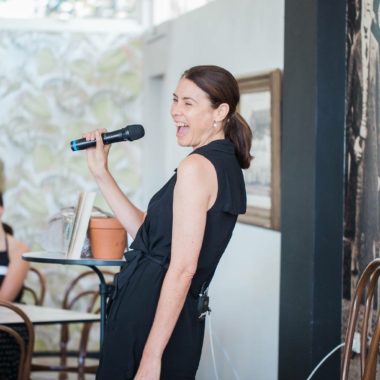
Social Media Management is a hot topic. Last month I was invited to give a presentation on Best Practice Social Media Management to a women's business organisation. We had a blast! (as you can see from the photo) Some of the key issues we discussed were: -how much time do I need to put into social media? -how can I create good content? and what does the term content marketing mean? -how can I measure success? -what is a social media strategy and how can it be … [Read more...]
Healthcare in focus! Meet Dr James Nol – Speaker at Digital Hospital of the Future 2016

Dr Nol is one of the leading speakers for the Digital Hospital of the Future a leading healthcare conference to be held in Sydney 7-9 December. We spoke to Dr Nol recently about his background and the challenges and opportunities for the imaging industry. Dr James Nol is the Chief Medical Radiation Practitioner and the Operations Director at Blacktown & Mt Druitt Hospital NSW. In his current role, Dr Nol developed and implemented the Open Access, Radiology Reporting on Demand, Imaging … [Read more...]
Meet Maz Khan – Speaker at Digital Hospital of the Future

We interviewed Maz Khan a key speaker at Digital Hospital of the Future conference for a mini Q&A. Professional Background Maz Khan has over 30 years of experience in the international healthcare industry working with multinational pharmaceuticals and healthcare companies in Australia, Baxter, Lilly, Aventis and Wyeth. He contributed to these companies in operations, sales and marketing and market research management In his last role as Director of the Head of Healthcare Division of … [Read more...]
- 1
- 2
- 3
- …
- 6
- Next Page »